Maybe the apps really are watching us…. I’m sure we’ve all had many of those moments. You’re talking with a friend about something. Then all of a sudden, an ad for that exact something pops up online or in social media. For most (myself included), this can feel a bit unnerving. But what if smartphones detect mental health difficulties based on movements and behaviors, and then use that information to help?
There might be an upside to all this data sharing. Smartphones and similar devices already use sensors and movement patterns to track so many forms of health data. “My Oura ring told me I got great sleep.” Or “Yo brah, my app says we got 30,000 feet of vertical on the mountain today.” (A skier’s equivalent of walking 10,000 steps).
But what if smartphones could detect subtle signs of oncoming or early mental health difficulties? Some apps already use physical health data to detect certain health problems. For example when heart rate spikes, smartwatches might give you a quick warning. So why not use this system for mental health?
Recent research finds this is possible! Researchers showed that multiple smart phone use behaviors predicted certain mental health difficulties associated with multiple disorders. For example, this research found changes in physical movements and changes in sleep patterns were related to relate to multiple mental health factors. Calling behaviors also predicted a few outcomes (e.g., decreased phone calls possibly predicting social isolation).
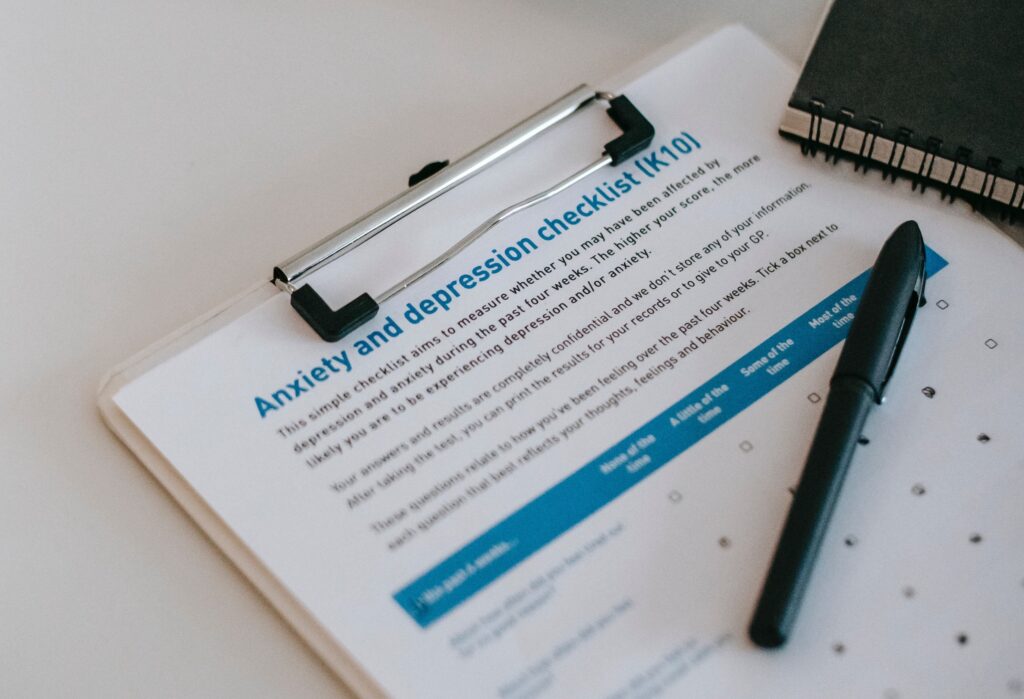
So how do researchers predict which behaviors lead to which specific mental health difficulties. That gets a little trickier. Like any paper-and-pencil assessment, context provides specificity for a given individual’s experience. But phone data might provide a good start. Research in the past few decades has been increasingly able to identify “transdiagnostic factors.” These are experiences that tend to predict a range of different major mental health difficulties.
For example, avoidance behaviors are often key contributors to experiences like major depression, multiple anxiety disorders, and PTSD, among others. So phones might not be able to identify exactly which difficulties a person experiences specifically, but can raise flags that something difficult might be occurring for the person.
There is still a lot to unpack for issues related to smartphone data privacy. How much should the apps know our lives? At least using them to help individuals be warned about oncoming mental health difficulties could be pretty helpful. Whether individuals want to provide that data is the next question.