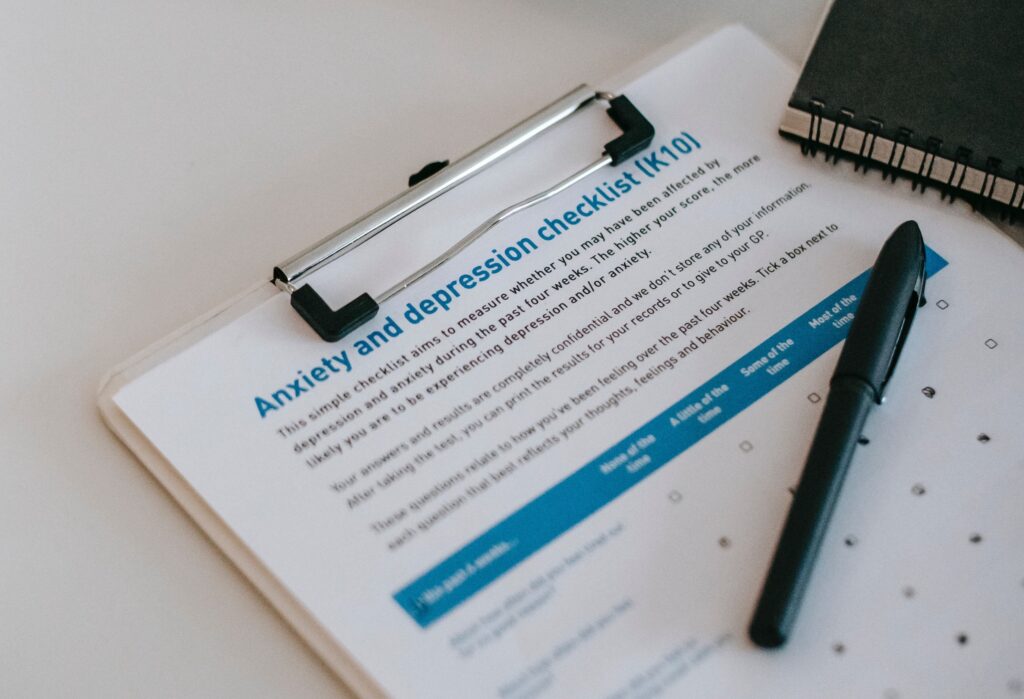
Alright, we really just wanted to make a snazzy title that rhymed. There really are no “noes” when it comes to using manualized treatment approaches in mental health. There are certainly misconceptions and challenges for utilizing these treatments in therapy. But there is also extensive support for using them. Then what are some pros, challenges, and misconceptions?
Manualized treatments are those that define a structure for how therapy sessions should occur. The structure provides a basis for each session, including any “homework” given to patients. For example, exposure and response prevention (ERP) for OCD outlines the process of creating an exposure hierarchy within the first few sessions. It then moves on to practicing exposure methods in specific forms.
Researchers have worked hard over the years to systematically and methodically test these approaches. In some ways, they reflect the research process (e.g., procedures that occur a similar way each time to understand how it works). This has led to a large body of evidence finding that manualized treatments are highly effective. Further research finds therapies are effective in real world settings outside research settings (e.g., clinics, private practices, hospitals).
These approaches also help clients by their “targeted” nature. That is, when someone with depression has become depressed due to negative thought patterns, CBT helps address those thought patterns. Or, if a lack of meaning and reward has led to depression, behavioral activation can address that precise reason. Exposure therapies can help individuals directly counter the avoidance that maintains their distress.
So if manualized approaches help, what are the gripes and challenges? One important aspect of manualized treatments: they are based on tightly controlled research conditions in research studies that do not adhere to real world therapy. Mental health professionals see much greater complexity in therapy than in the “straightforward” cases included in research – for example, individuals with depression who do not experience comorbid difficulties.
Additionally, research studies confine courses of therapy to time periods (e.g., 12-16 sessions). However, treatment resistance, readiness for change, and other factors typically result in longer durations of therapy.
Another criticism of manualized treatments is that they are insensitive to the emotional and psychological needs of each unique individual client. This challenge asserts that defining the structure of “what gets done” in therapy interferes with understanding the client and tailoring therapy sessions to their experience.
This claim appears to be based on an assumption that both empathy and a therapeutic relationship are not possible by following a structured course. However, there is no support for this assumption. Additionally, nothing prevents these approaches from being used along with empathy and rapport building. Empathy does not disappear by virtue of there being “a manual”.
Using empathy along with manualized treatments is the American Psychological Association’s recommended standard for practice. Researchers who develop these treatments also assume the therapeutic alliance is a necessary therapeutic condition. Additionally, training programs emphasizing manualized treatments also usually train therapists in how to develop strong rapport and therapeutic alliance.
Therapists can address the “real world” and “individual needs” challenges by integrating effective manualized evidence-based approaches with an empathetic relationship stance. This may actually be a key reason why structured treatments are effective in research. And many therapists use a case conceptualization approach to flexibly modify treatment approaches for individual needs. Therapist resources exist to assist therapists in strong and flexible case conceptualization.
A good analogy is how many medical doctors bring empathy and great bedside manner, but still use standardized prescribed treatments to effectively help their patients. For example, antibiotics are standard treatment for most forms of strep throat. But doctors can listen to patients and understand their unique history. If frontline antibiotics are ineffective, doctors can tailor their approach by providing other treatments to the individual needs of their patient. No one would accuse this doctor of being inflexible for starting with a standard treatment known to work while adhering to important individual needs.
Of course, mental health professionals are not medical doctors. We deal with much different human experiences than biological factors. But the same concept stills apply when we enact approaches to help people. There are evidence bases that guide are understanding of what helps. We then have the opportunity to use those, while practicing empathy and flexibility. That’s a pretty awesome and effective integration.



 Get important updates on resouces, research findings, news, and CEs right to your Inbox.