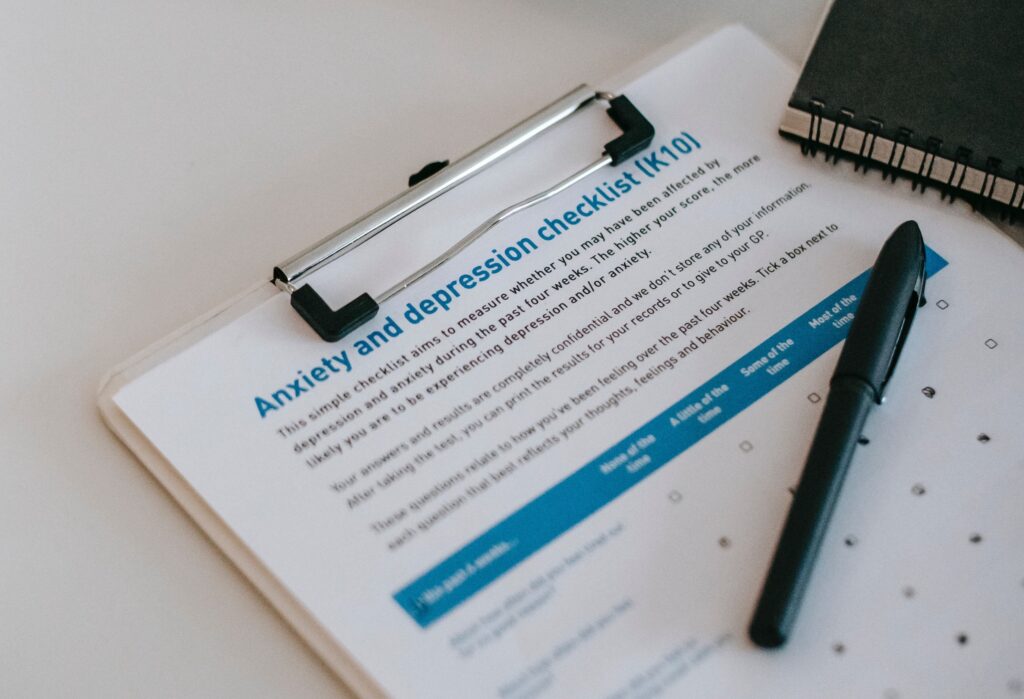
Climate change has been brewing for a while now. But so has anxiety about climate change. Otherwise known now as eco-anxiety, it has drastically increased in recent years. This is especially the case as the effects of climate change become increasingly evident in news reports and in our day-to-day lives. Therapists increasing help clients coping with climate change anxiety. But how?
Research has examined climate change anxiety for some time. These studies find climate change anxiety is “totes a thing” on its own, as opposed just another form of unspecified anxiety. It certainly includes the experience of anxiety, but also has elements of grief, sadness, rumination, anger, and other negative experiences.
A recent meta-analysis was able to tease apart who tends to be affected by climate anxiety more and what psychological processes contribute to it. Climate change appears to affect youth, women, and those with high levels of trait neuroticism, among others.
It also appears to affect people who often view reports about climate (aka “perceived”). It also affects individuals directly in contact with consequences of climate change. For example, victims of powerful hurricanes or skiers who have limited ski seasons.
Similar to generalized anxiety and other forms of anxiety, a strong driver of climate change anxiety appears to be a loss of control. That is, it is easy to feel like one has no control over such a large scale and difficult problem. It also feels difficult to have any effect on industrial forces that feel so powerful in the world economy (e.g., energy companies).
This research also finds that increased climate action that individuals take is related to decreased climate anxiety. This may be because it helps individuals take back a sense of control when they engage in climate change efforts.
Luckily, sense of control and other impacts of climate change are areas therapists are training for. There are multiple resources and strategies therapists can impart to clients coping with climate change anxiety:
1. Seek social support. Speak openly about one’s stress about climate change with trusted sources of support. Avoid conversations on arguments for or against climate change or its politics.
2. Limit exposure to the news or take it only in small doses (for example, 5 mins per day or less).
3. Engage in enjoyable activities that provide meaning [similar to behavioral activation], in order to focus attention away from constant rumination about it.
4. Take back a sense of control by learning about climate change and then getting involved in climate change efforts. For example, volunteering with organizations that combat climate change.
5. CBT may also help to tackle beliefs about control in addition to these efforts.
Our own Dr. Matt B also produced a brief video for clients that describes climate change anxiety and multiple ways to cope. Science-based books also provide learning more about this topic and inform how to take back control. For example, as good book on the causes of climate change and one on ways to limit the effects of climate change.
Climate change is an increasingly difficult experience for many individuals and for therapists trying to help. It a good thing research is already on the case and that there are ways to confidently help those coping with climate change anxiety.



 Get important updates on resouces, research findings, news, and CEs right to your Inbox.