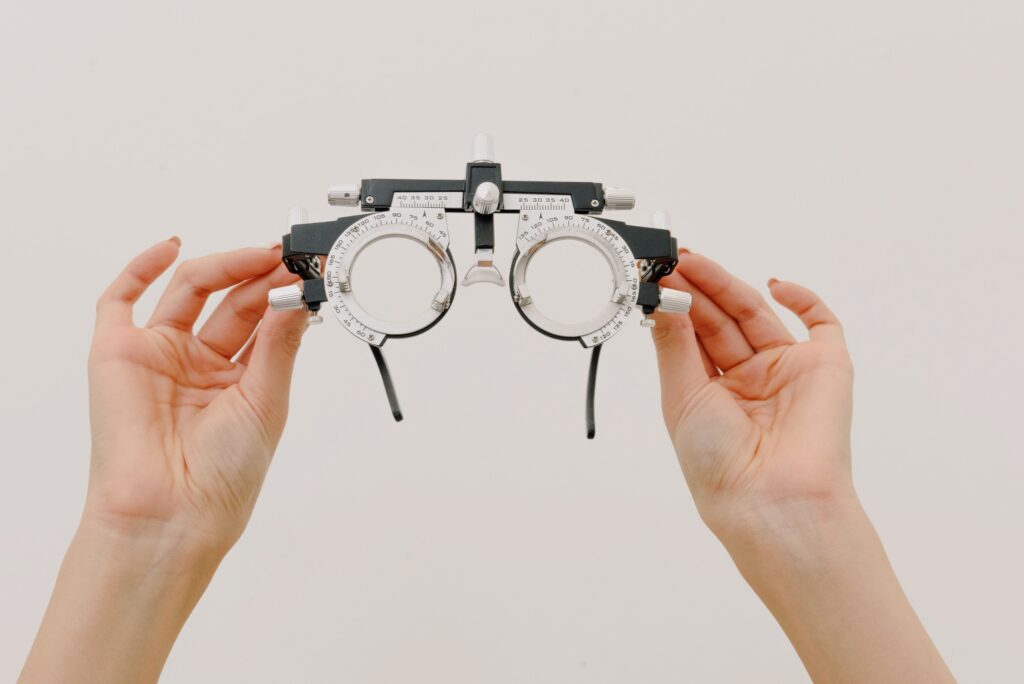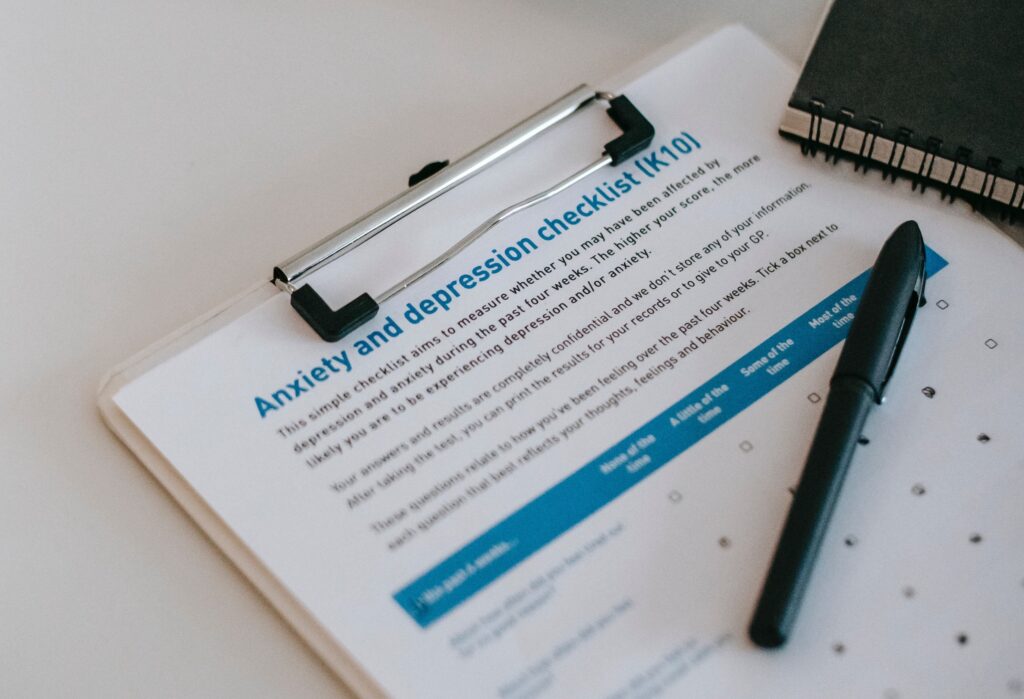
Research finds that eye movement desensitization and reprocessing therapy (EMDR) is effective for PTSD. However, the scientific community still does not fully understand how bilateral stimulation (BLS) works in EMDR. Or, if it even works at all. How necessary is it to learn BLS? And how does bilateral stimulation help clients effectively cope with difficult memories and emotions? This question has important implications for how therapists actually help their clients with trauma.
Many researchers classify EMDR as an exposure therapy. And for good reason. EMDR asks clients to contact their traumatic memory(ies) and sit with those memories and the discomfort. The therapist then guides the client to re-evaluate thoughts and beliefs about themselves and other issues that arise. This is exactly what prolonged exposure therapy for PTSD does. To some degree, cognitive processing therapy (CPT) does as well.
EMDR also has patients utilize bilateral stimulation (BLS) while exposing them to painful memories and associated thoughts and beliefs. Bilateral stimulation often comes in the form of moving one’s eyes from side to side to shift the visual field while the client exposes themselves to the memory. Sometimes therapists use sounds in a similar way. The developers of EMDR assert that bilateral stimulation makes recall of the memory less intense. So, memories would be easier to process emotionally.
However, there is controversy regarding whether or not bilateral stimulation is necessary to successfully reprocess memories. First, Prolonged Exposure and Cognitive Processing Therapy have long shown effectiveness for trauma using exposure and CBT techniques memories without bilateral stimulation.
And contrary to some claims, these approaches do not retraumatize or harm clients. In fact, avoiding these difficult conversations with clients and avoiding sitting with them while they contact difficult emotional memories may actually collude with avoidance. Therapists use the therapy room to bring effective coping tools to clients in a safe environment. For example, how to navigate difficult emotional experiences and memories. The goal is for clients to use the skills in their daily lives.
Second, empirical research has never really found an effect of bilateral stimulation in EMDR. In fact, studies find that bilateral stimulation is not necessary to process trauma memories. A meta-analysis found no difference when using bilateral stimulation versus not using it. This finding suggests that it is exposure to traumatic memories and re-examining their meaning and impacts on clients is actually what helps.
Some smaller experimental studies have found that bilateral stimulation changes the emotional intensity of a memory. However, this research was mostly done with undergraduate nonclinical samples. It was not done with those who experience traumatic memories or full-blown PTSD. Otherwise, plenty of papers and blog posts rhetorically argue for the theory of bilateral stimulation, but clear direct tests find it does not make a difference.
The question of whether or not bilateral stimulation is necessary is the main reason that major organizations like Veteran’s Affairs designate EMDR as having “moderate support“. Other established methods, like Prolonged Exposure and CPT, show “strong support”. Those are designated as “strongly recommended.”
There are also ramifications in EMDR’s use and strong promotion. First, some argue that if bilateral stimulation doesn’t hurt, then why not just do it? Telling clients it works gives them information that is not accurate. It then distracts them from focusing on practicing and building skills we know are effective (e.g., challenging beliefs about the event).
Second, some experts note that EMDR is expensive and time consuming to train in. Critics also note that EMDR tools and training certifications have created a large financial profit driver for stakeholders that take advantage of clinicians hope for something to help their clients. Companies have created a proprietary marketplace that sells EMDR equipment (e.g., eye movement wands) for profit. On the other hand, established treatments with known reasons for their effectiveness are near-free to train in (other than typical CE course costs that exist for most CE trainings).
How bilateral stimulation works in EMDR is still an empirically unanswered question, even if there are hypotheses asserted about it. But this may be a moot point as studies show it is likely unnecessary, while creating higher costs and burden for therapists. We recommend therapists approach EMDR with healthy skepticism, an understanding of its limitations and controversies, and an informed understanding of what factors make it and other effective trauma therapies work for clients.



 Get important updates on resouces, research findings, news, and CEs right to your Inbox.