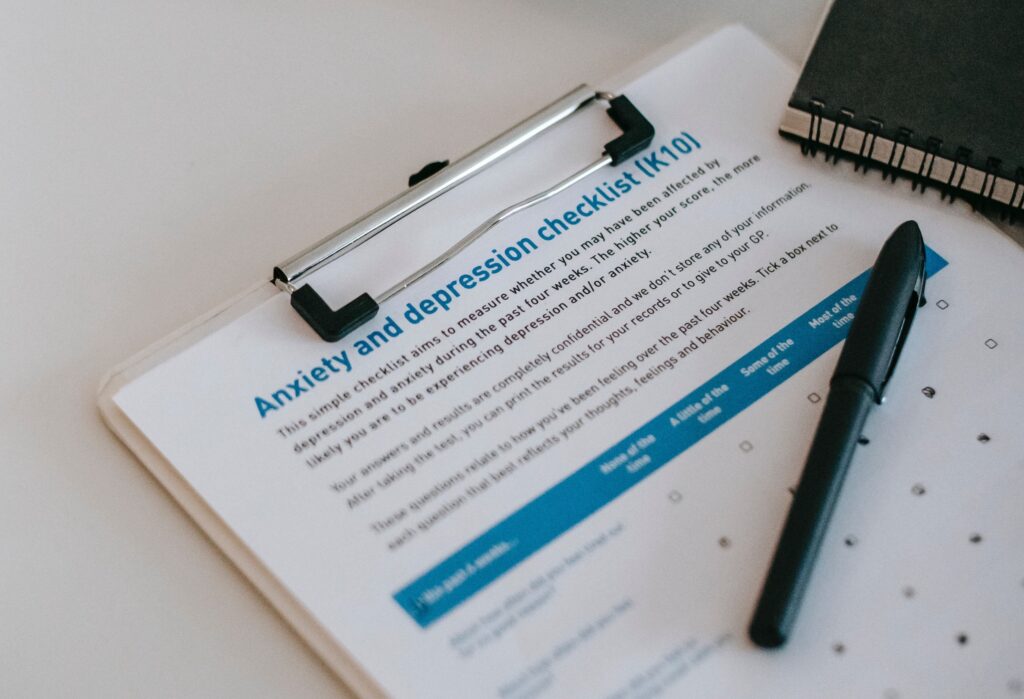
I’m sure we have all seen it in life and in the therapy room: people just dead set and convinced that the way that they are thinking about or perceiving the situation is fully accurate to what is happening. But why are people so convinced they are right, even if they are wrong? What convinces them that their thoughts are accurate or that they have enough information to understand a situation?
Compared to other animals, the ability to process information is a strength for humans. Meaning that our tendency to understand and draw conclusions about the situation gives us the ability to make decisions, problem solve situations, and create things. Like everything human, however, nothing is perfect. Our ability to take in information and draw conclusions is prone to errors.
What the research says
Structured research in social, cognitive, and clinical psychology finds that we tend to believe that the limited information we have is enough to fully understand a situation completely and accurately. We tend not to seek more information. People then quickly “jump to” conclusions with that limited information, and believe those conclusions.
But this research also finds that people tend to believe they have enough information about situations in order to confidently draw a conclusion or to make a decision. Interestingly, we usually do not attempt to understand the accuracy of that information or see if there is better information.
Bias is a major cognitive process that explains why people become convinced that they are right. There are many forms of bias. We may be likely to quickly buy into information that seems to make sense to us or reflect our past experience. And sometimes this is fine. In many cases though, it leads us to errors.
But this is the reason that people often seem to be convinced something is occurring, even if it is not. Some individuals learn to rely strongly on this tendency. This tendency is especially strong for some mental health clients. Especially those with depression, anxiety, PTSD and other difficulties.
For example, many with depression (but not all) draw conclusions about themselves and their worth based only on limited pieces of negative information. Or those with social anxiety buy into small or even inaccurate bits of information that others may be judging them harshly. Those with PTSD tend to believe that reminders they encounter are related to the potential for harm they once experienced in a traumatic situation. Clients who experience these difficulties tend to have trouble focusing attention away from these pieces of negative information.
And we see this bias process as a core component of other situations. For example, some individuals get drawn in and convinced by conspiracy theories. Or many others become assured of certain explanations for political events, without considering other information or perspectives. This often leads to extreme political stress.
What it means in therapy
So how do therapists help when this tendency contributes to client difficulties? In many ways, this tendency to become convinced forms the crux of some of our most well-validated therapeutic approaches and therapist resources.
These biases form the bases of therapy approaches like CBT, ACT, or exposure therapies. These approaches posit that individuals strongly buy into inaccurate thoughts or verbal expressions that contribute to emotional difficulties. They become easily convinced of thoughts about their worth or negative role in situations. The thoughts/feelings of others, the degree of danger or safety in the world, or something else.
They also have a difficult time or have not learned the ability to notice this process and generate other explanations (CBT) or allow their thoughts to simply occur and pass by them (ACT). CBT and ACT both provide effective ways to allow individuals to approach their thoughts flexibly to reduce the psychological stress.
People often believe information quickly instead of looking for alternative explanations. With work and time, we can learn ways to notice this process and be more open to other possibilities. For mental health clients the ability to learn a new approach can help relieve great suffering.



 Get important updates on resouces, research findings, news, and CEs right to your Inbox.