We hear more and more about Autism in recent years, especially on social media. Sometimes it even raises the question, “Is everyone neurodivergent now?”. Many who claim to be “on the spectrum” of autism most certainly are. Many others experience other difficulties that may share qualities with Autism spectrum disorder. But what accounts for the rise in autism spectrum diagnoses? And how accurate are these diagnoses?
Research explores the rise in Autism diagnosis.
Researchers from many countries have studied the rise in Autism spectrum diagnoses. One study published in the Journal of Pediatrics found that many of these diagnoses tend to be accurate. This accuracy is likely due to the improvement in screening methods to diagnose Autism spectrum disorder since the 1990s. Increased social awareness of the issue and availability of support services in many locations also appear to play a role.
However, this research also uncovered a potential overdiagnosis of Autism among those on the mild end of the Autism spectrum. This may be due to the difficulty teasing out symptoms when they are less apparent. Other research finds that tools and clinical judgement used in many settings are more prone to error.
These studies suggest that some portion of inaccurate diagnoses are driven by other diagnoses sharing similar features with mild Autism. For instance, experiences like generalized anxiety and trauma / PTSD can include feeling overwhelmed and over-stimulated. Social anxiety can also involve overstimulation and includes social difficulties when interacting with others.
ADHD also shares some of the attentional and hyperactive qualities that many with Autism experience. But ADHD itself brings an additional layer of complexity. ADHD is often mistaken for other difficulties that impact attention. For example, anxiety, trauma / PTSD, depression, borderline personality, and other forms emotion dysregulation.
Controversies in policy and society.
Increased awareness of Autism spectrum disorder has led to a few controversies. First, there is a phenomenon of self-diagnosis for consumers who often feel like they socially don’t belong or don’t think like others. Some of this self-diagnosis may be accurate. Social media and “Dr. Google” appear to drive other cases. Many mistake there own experiences for anxiety, trauma and PTSD, or depression, which all come along with attentional difficulties and feeling overwhelmed. We see a similar self-diagnostic effect with older individuals believing their memory and attention difficulties are due to early-onset dementia.
Second, widening the range of the Autism spectrum has created great controversy. DSM-5 (2013) removed the diagnosis of Asperger’s disorder. This subsumed “higher-functioning” or “Autism-like” symptoms into the diagnosis of “Autism spectrum disorders”. The change created a wider range of characteristics possible for receiving an autism diagnosis.
Some have praised this move for creating more awareness about Autism and neurodiversity more broadly. Advocates and many families for those with moderate and severe forms of autism and ADHD have appreciated that awareness. However, they argue that the wider range of symptoms covered by the newer Autism spectrum diagnosis contributes to decreased societal attention and decreased resources for those individuals with more severe symptoms, who need extra support. NPR did some good reporting on a brief podcast with advocates from the Autism community that highlight these issues
The controversy over who gets what support has real implications. In particular, who should receive funding and resources to provide support in schools and other organizations? Those families needing higher levels of support have now had to compete for more limited resources and advocacy. This has created issues for how these resources are shared and how organizations advocate for policy.
What it means for therapy
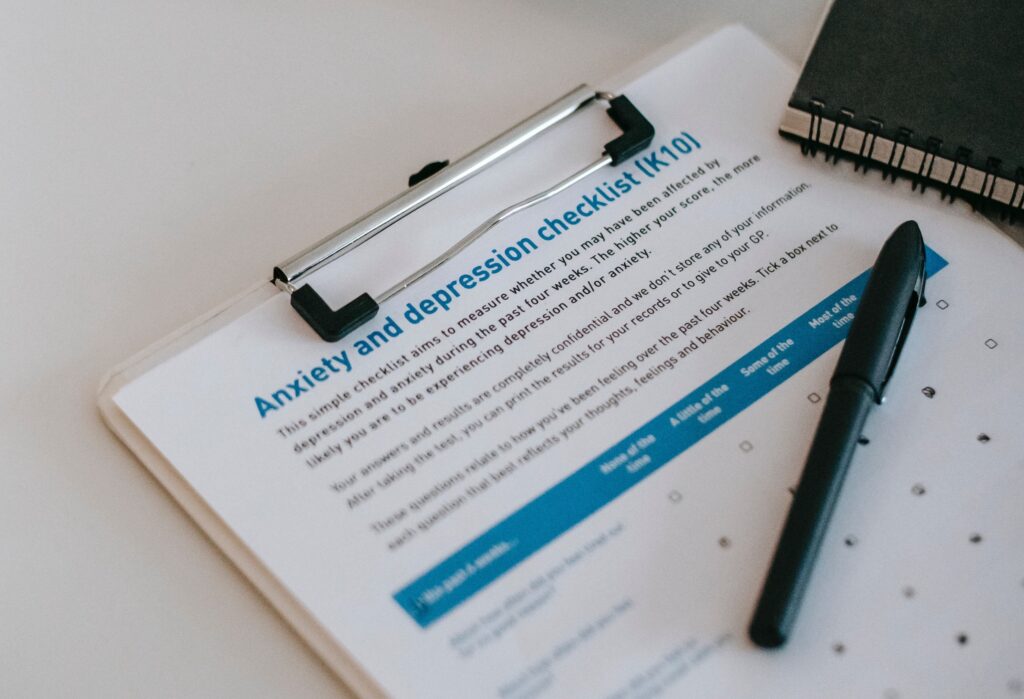
A greater understanding of these issues can aid therapists in supporting clients with Autism spectrum disorder and their families. In particular, therapists suspecting when clients may experience Autism should seek a referral for neuropsychological testing. This testing provides a thorough evidence-based method to diagnose Autism spectrum disorder.
Time will tell how this issue unfolds and whether new changes that account for symptom severity will be made in the upcoming DSM-6. So stay tuned.



 Get important updates on resouces, research findings, news, and CEs right to your Inbox.