Charlotte Perkins Gilman’s old school short story, The Yellow Wallpaper (1892) offers a chilling depiction of postpartum depression. This depression ultimately develops into a sort of postpartum psychosis. Written over one hundred years ago, yes – but yet many women in our day and age go through depression after childbirth. New research provides updates for what to know about postpartum depression.
Research finds up to 15% of women currently experience Postpartum Depression (PPD). This condition makes it challenging for mothers to care for themselves and their infants in the months following childbirth. Prolonged maternal depression often affects child development and learning. Further, suicide in those experiencing perinatal mood disorders (including PPD) is a leading cause of maternal mortality during the year following childbirth.
Screening for these disorders (including PPD, the postpartum “blues”, and postpartum psychosis) following childbirth can help. It is also helpful to connect clients with family inclusion in treatment, talk therapy, and comprehensive social support services.
Many women don’t recognize symptoms. Even if they do, mothers often don’t know what treatments are available. It is therefore recommended that pediatricians screen mothers for PPD for up to six months after their infant’s birth. Yet new research is finding that the timelines of such guidelines might not address how some women experience the condition.
Research finds that approximately 13% of mothers experience moderate PPD symptoms within 4 months of birth. However, a small percentage experience depressive symptoms for years postpartum. Previous mood disorder diagnosis and gestational diabetes were risk factors for such prolonged depressive symptoms. Researchers ultimately determined that a six-month window for universal screening may not be long enough.
Research also finds that a foreign language spoken at home, history of depression, low maternal self-efficacy, and poor physical health of the mother are also risk factors. Other postpartum depression updates from research show that many women who experience extended PDD symptoms do not report symptoms in the first few months after birth. Thus, for that reason as well, screening ending at 6 months postpartum may be ending too soon (CDC).
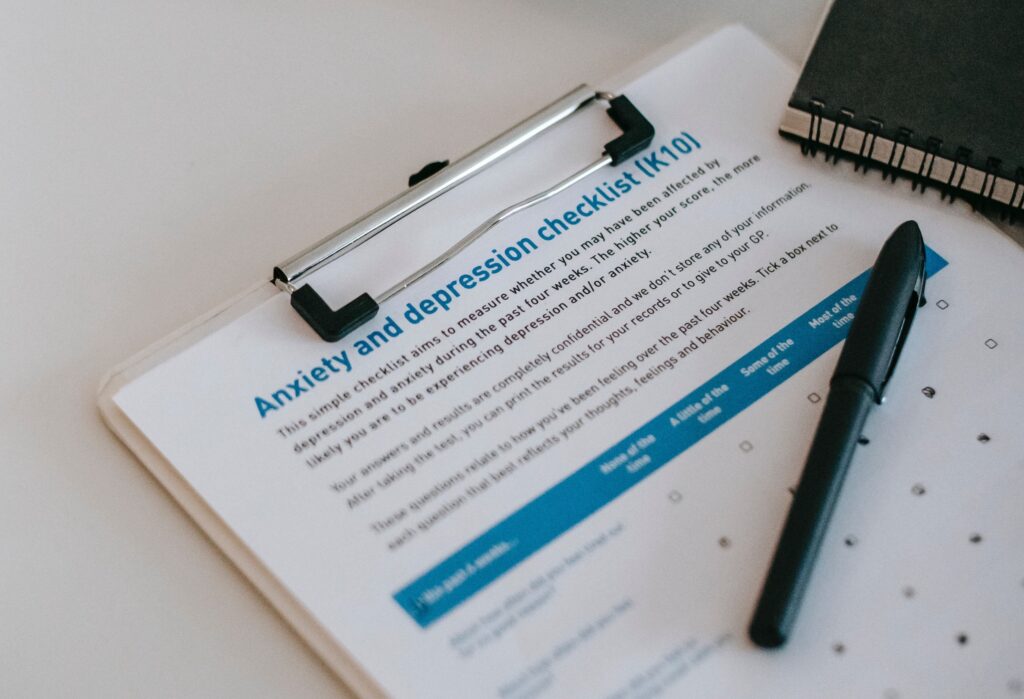
Awareness of risk factors and delayed reporting of PPD suggests a few paths for clinicians. First, free and easy screening for depression (e.g., PHQ-9) has been around for a while. Therapists can easily assess depression symptoms with any clients giving birth in the past 1-2 years. That way, they are ready to help, if clients need.
Second, therapists have the resources to enact effective approaches for depression (e.g., CBT, behavioral activation, ACT). It is also helpful to connect clients with family inclusion in treatment, comprehensive social support services, and medical referrals. Therapists can also make helpful referrals. For example, referrals to psychiatrists, primary care providers, OB/GYNs, or other medical providers help stabilize mood, hormonal imbalances, and other medically-based needs.
There is much still to understand investigate about with respect to how PPD presents and can be most effectively treated. Women’s History Month is a good reminder to encourage further research into postpartum depression updates. But it is also something to promote at any time. Given also emerging research on attachment, demonstrating the crucial nature of the months following childbirth for identity formation and lifelong mental health, therapist and researcher efforts are vital – even life-saving.



 Get important updates on resouces, research findings, news, and CEs right to your Inbox.